EU countries split over €45 billion loan to Ukraine, Slovakia refuses to take part
Fico promises not to block the loan for others and offers equipment and fuel instead, while Bulgaria agrees only to the non-military part. Austria and the Netherlands insist there should be no exceptions.
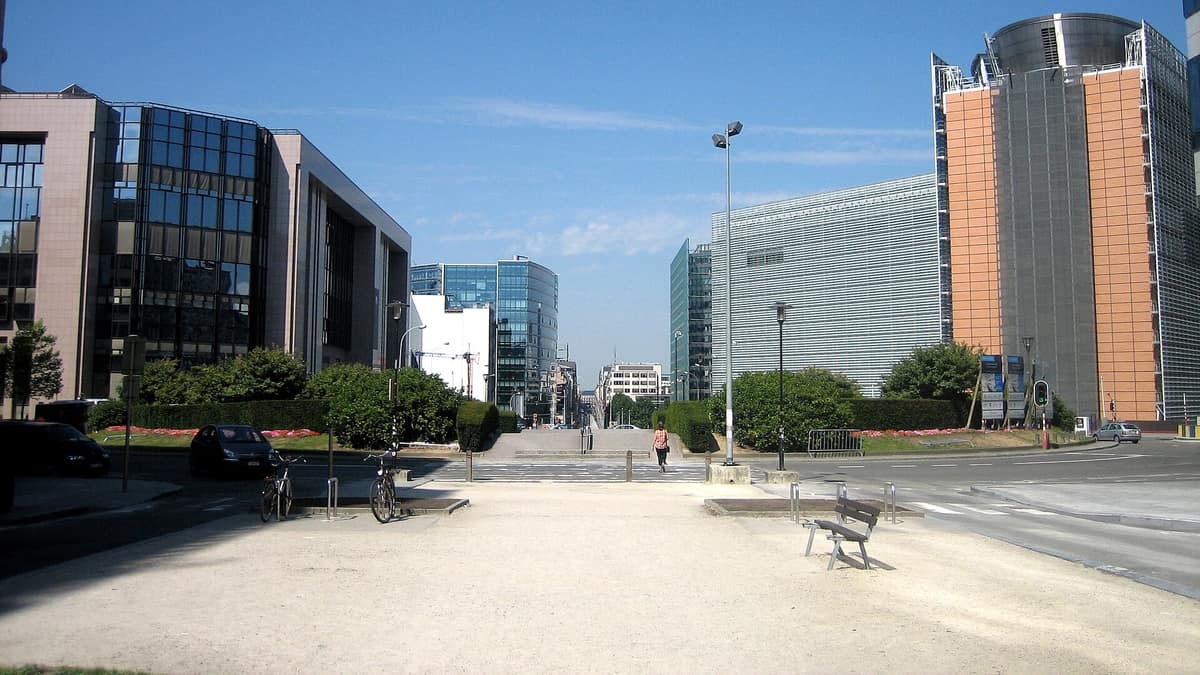
A special meeting of the European Council is scheduled in Brussels for November 26–27, 2026, where leaders are to discuss the EU budget for 2028–2034 and funding for Ukraine. Ahead of the talks, it became clear that there is no unity on a new €45 billion loan to Ukraine.
Slovak Prime Minister Robert Fico said his country would not join the loan but would not stop others from providing it either, Radio Svoboda reported. Instead, he proposes helping Ukraine directly and without money: with Slovak-made civilian equipment, diesel fuel, locomotives and emergency electricity supplies.
Bulgarian Prime Minister Rumen Radev said Sofia would take part only in the non-military part of the loan, LB.ua wrote, citing Reuters. The European Commission proposes directing up to €25 billion to military needs and up to €20 billion to other purposes. Czech Prime Minister Andrej Babiš, according to Ukrinform, opposes linking Ukraine’s funding to EU budget programs.
Austrian Chancellor Christian Stocker and Dutch Prime Minister Rob Jetten voiced the opposite position. Stocker said the practice of individual states opting out should not continue. Jetten backed Germany’s demand that all EU countries take part in the financing. German Chancellor Friedrich Merz had earlier warned that he could block the seven-year budget if not all 27 states join the loan. According to LB.ua, the budget deal may not be agreed at this summit: EU diplomats consider an agreement next month more likely.